


If you've invested in canvas artwork, you've probably wondered whether a floating frame is worth the additional cost. After all, many canvases can be displayed without a frame at all.
For most artwork, the answer is yes.
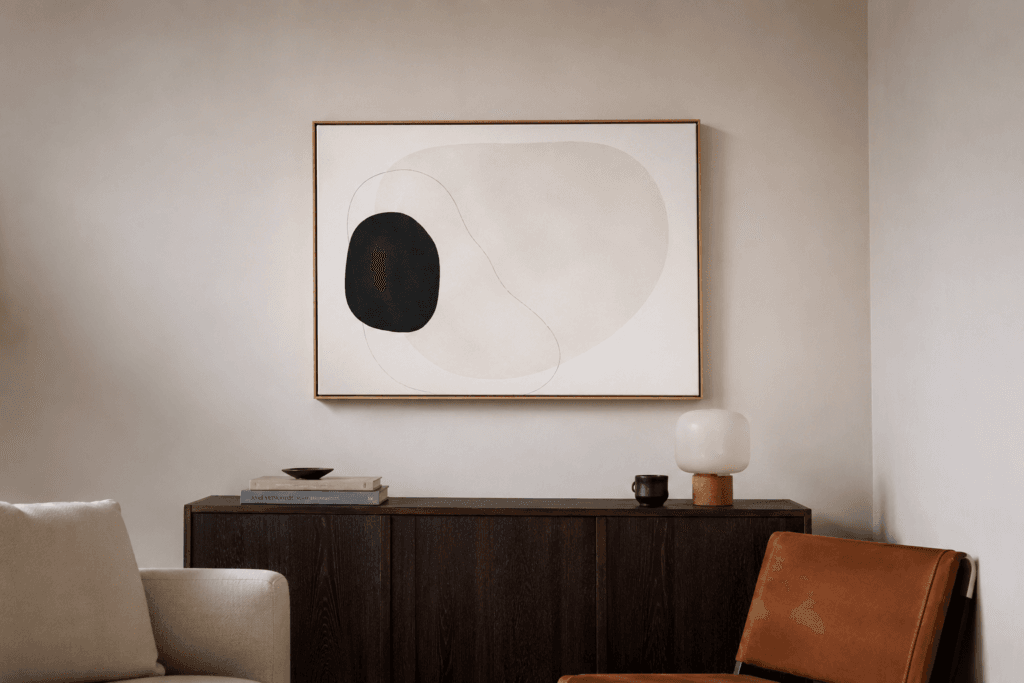
A floating frame can dramatically improve the appearance of a canvas by giving it a more finished, professional, and gallery-ready look. It enhances the artwork without distracting from it, making it one of the most popular framing choices among artists, photographers, galleries, and interior designers.
In this guide, we'll explore the advantages, disadvantages, costs, and ideal use cases for floating frames so you can decide whether they're the right choice for your artwork.
What Is a Floating Frame?
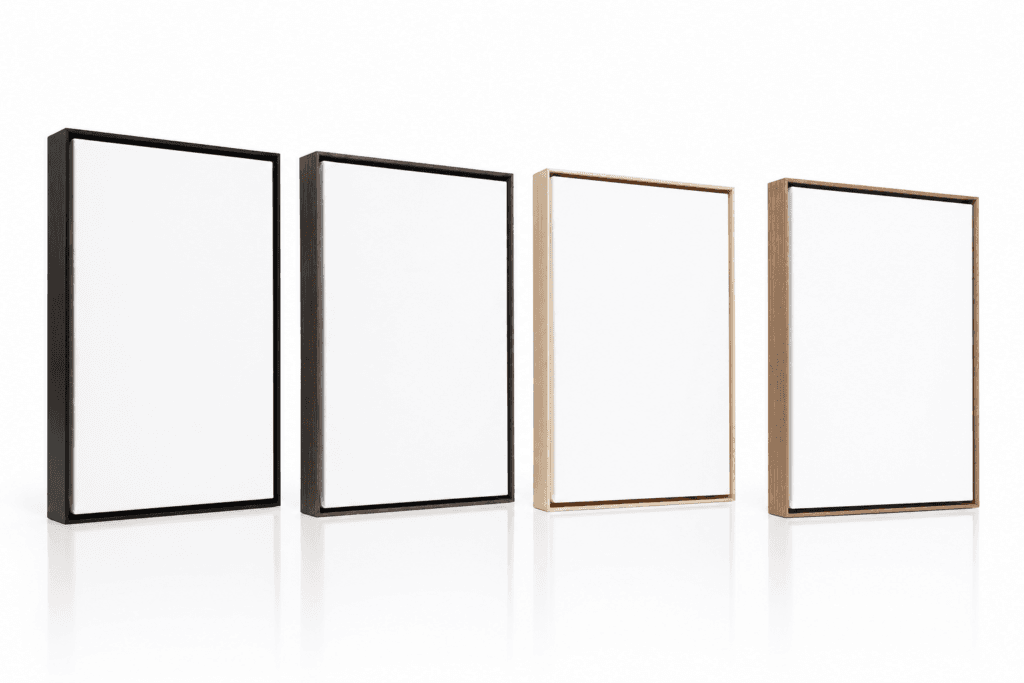
A floating frame, also called a floater frame, is a frame specifically designed for stretched canvas artwork.
Unlike traditional frames that overlap the edges of the artwork, a floating frame leaves a small gap between the canvas and the frame. This creates the illusion that the artwork is "floating" inside the frame.
The result is a clean, modern presentation that highlights the artwork while adding depth and visual interest.
Why Have Floating Frames Become So Popular?
Floating frames have become increasingly popular because they offer a balance of simplicity and sophistication.
They are commonly found in:
- Art galleries
- Professional exhibitions
- Contemporary homes
- Corporate offices
- Interior design projects
Their minimalist design complements a wide variety of artwork styles without overwhelming the piece itself.
Many artists prefer floating frames because they provide a polished appearance while preserving the visual impact of the canvas.

The Biggest Benefits of Floating Frames
Professional Appearance
Perhaps the biggest advantage of a floating frame is the professional finish it provides.
Even a simple canvas can look significantly more refined when framed properly. The frame creates a visual boundary that helps the artwork stand out on the wall.
Gallery-Style Presentation
Floating frames are widely used in galleries because they showcase artwork without distracting from it. The subtle gap around the canvas creates depth and gives the piece a premium presentation.
Works With Many Décor Styles
Whether your home is modern, minimalist, industrial, transitional, or contemporary, floating frames fit naturally into the space.
Simple frame profiles tend to complement both colorful and neutral artwork.
Available in Many Sizes
Floating frames are available in a wide range of standard and oversized dimensions, making them suitable for everything from small paintings to large statement pieces.
More Affordable Than Traditional Custom Framing
Custom framing can quickly become expensive.
Floating frames often provide a similar high-end appearance at a fraction of the cost, especially when purchasing ready-made sizes designed for stretched canvas artwork like the Kolekin floater frames.
Are Floating Frames Better Than Traditional Frames?
The answer depends on the style you're trying to achieve.
| Feature | Floating Frame | Traditional Frame |
|---|---|---|
| Modern appearance | ✓ | |
| Gallery-style presentation | ✓ | |
| Shows canvas edges | ✓ | |
| Decorative mouldings | ✓ | |
| Contemporary interiors | ✓ | |
| Traditional interiors | ✓ | |
| Minimalist look | ✓ |
For most contemporary artwork, floating frames offer a cleaner and more modern appearance.
Traditional frames may still be preferred for highly decorative, classical, or antique-inspired interiors.
Are Floating Frames Durable?
Durability depends largely on the frame material.
Wood Floating Frames
Wood frames have a classic appearance and remain a popular choice.
However, wood can be affected by:
- Humidity
- Temperature changes
- Warping over time
- Expansion and contraction
Aluminum Floating Frames
Aluminum floating frames offer several practical advantages:
- Greater dimensional stability
- Resistance to warping
- Lightweight construction
- Long-term durability
- Consistent appearance over time
For larger canvases, aluminum frames are often preferred because they maintain their shape more reliably than solid wood alternatives.
How Much Do Floating Frames Cost?
Costs vary depending on:
- Size
- Material
- Finish
- Construction quality
Generally speaking:
- Custom framing is usually the most expensive option.
- Solid wood floating frames are often mid-to-high priced.
- Aluminum floating frames can provide excellent durability and value.
- DIY floating frame kits are typically the most affordable solution. For example, Kolekin floating frame starts at $24.
When compared to the cost of the artwork itself, many buyers find that a floating frame offers a substantial visual upgrade for a relatively modest investment.
When Are Floating Frames Worth It?
Floating frames are particularly worthwhile for:
Original Paintings
Artists frequently use floating frames to elevate the presentation of original work.
Acrylic Paintings
The clean lines of floating frames pair exceptionally well with contemporary acrylic artwork.
Oil Paintings
Floating frames help create a finished presentation while preserving the texture and depth of oil paintings.
Photography Printed on Canvas
Photographic canvas prints often look more refined and intentional when displayed in a floating frame.
Large Statement Pieces
Large canvases can feel unfinished without a frame. A floating frame helps anchor the artwork visually and enhances its presence in a room.
When Might a Floating Frame Not Be Necessary?
While floating frames offer many benefits, they are not always essential.
You may choose to skip framing if:
- The artwork is temporary décor
- The piece has low sentimental or monetary value
- You're decorating on a very limited budget
- The canvas is intended for casual or short-term display
Ultimately, the decision depends on how important presentation is to you.
Do Professional Artists Use Floating Frames?
Yes.
Floating frames are widely used by professional artists, galleries, and art consultants.
They have become one of the most common framing solutions for contemporary canvas artwork because they provide a finished appearance without distracting from the artwork itself.
Many galleries consider floating frames the standard presentation option for stretched canvases.
Frequently Asked Questions
Do floating frames protect artwork?
While they do not protect the front surface like glass framing, floating frames help protect canvas edges and reduce accidental damage during handling.
What artwork looks best in a floating frame?
Original paintings, acrylic artwork, oil paintings, and canvas photography generally pair very well with floating frames.
Are floating frames modern?
Yes. Floating frames are most commonly associated with contemporary and modern interior design.
Are floating frames worth the money?
For most canvas artwork, yes. They provide a professional appearance, enhance visual impact, and help artwork feel more complete without the high cost often associated with custom framing.
Final Verdict
So, are floating frames worth it?
For most people, the answer is yes.
A floating frame is one of the simplest ways to make canvas artwork look more polished, professional, and gallery-ready. Whether you're an artist preparing work for display or a homeowner decorating a space, a quality floating frame can significantly improve the overall presentation of your artwork.
If you're looking for a clean, modern, and durable framing solution, a floating frame is often one of the best investments you can make for your canvas art.
